Expert Home Renovation Services for Home Additions
Top-Rated Remodeling Contractor: Transform Your Home With Expert Design and Superior Craftsmanship
Home remodeling can greatly enhance both visual appeal and functionality. A highly-regarded renovation specialist plays a crucial role in this transformation. Their expertise integrates innovative design with skilled workmanship, ensuring that each undertaking meets the homeowner's vision. However, not all builders are created equal. Grasping the key qualities and processes involved is essential for a successful outcome. What should homeowners evaluate when starting on this journey?
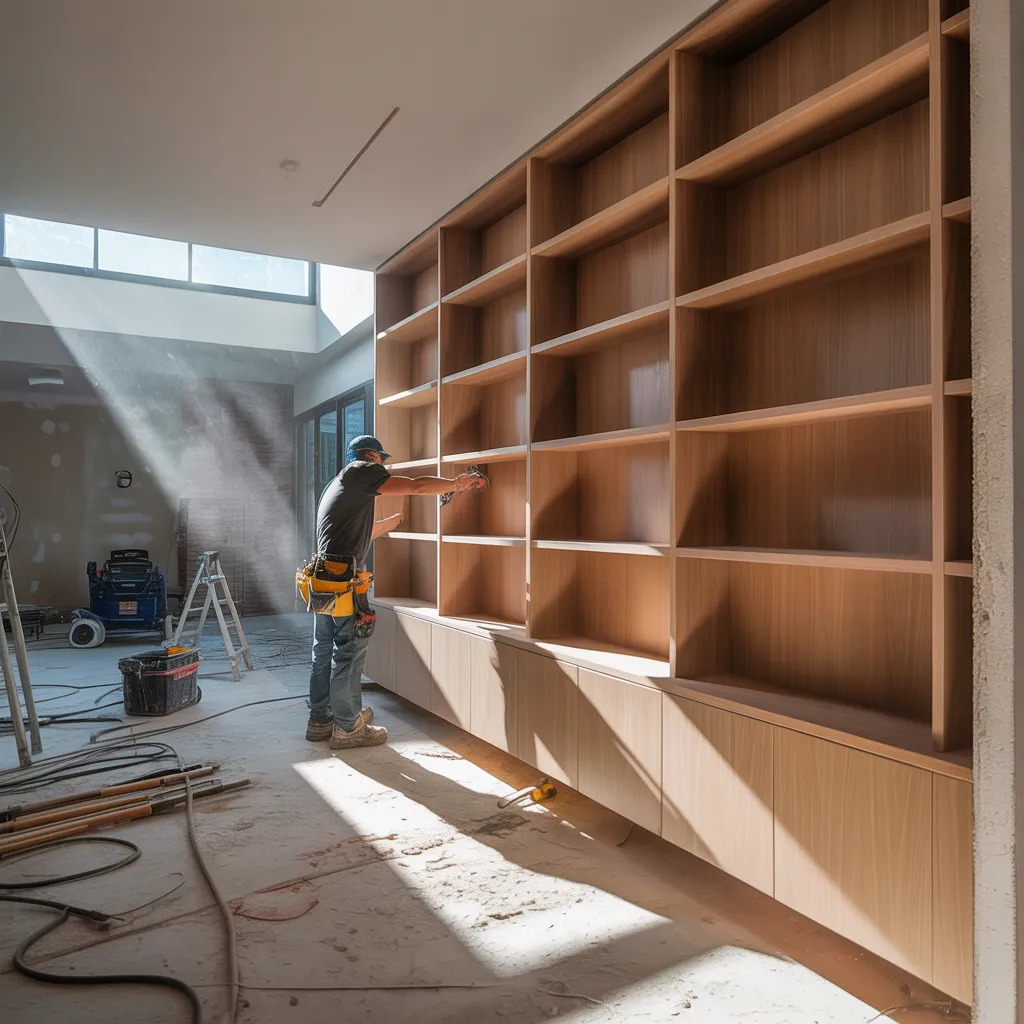
The Benefits of Choosing a Top-Rated Home Improvement Contractor
When launching a remodeling assignment, the determination to hire a top-rated builder can greatly impact the success. A skilled builder exhibits the expertise and history required to navigate the intricacies of home renovations. They can provide valuable perspective into design choices, finishes, and timelines, ensuring that the project matches with the homeowner's vision and cost parameters.
Highly-regarded contractors frequently possess favorable feedback and a robust collection of work, displaying their past projects and client satisfaction. This reputation can instill confidence in property owners, reducing anxiety associated with significant home improvements. Furthermore, a reputable contractor is likely to have strong connections with vendors and trade partners, which can result in better pricing and superior material standards.
Ultimately, hiring a top-rated renovation specialist not only increases the potential for a successful project but also creates a cooperative setting where thoughts and imagination flourish, resulting in a renovated home that showcases the homeowner's objectives.
Important Attributes to Evaluate When Choosing a Renovation Contractor
Locating the ideal remodeling contractor extends past merely reviewing reviews and portfolios; it requires determining specific qualities that ensure a successful partnership. Initially, a established professional must possess excellent interpersonal abilities, ensuring that they can express concepts effectively and listen to client requirements. Next, expertise in the specific type of remodeling project needed is essential, as it demonstrates a proven track record of quality work. Moreover, a skilled professional must be licensed and insured, offering assurance regarding liability and safety. Dependability is another critical quality; a contractor should adhere to timelines and budgets, reducing unforeseen setbacks. Finally, a strong collection displaying varied finished work reflects an capacity to accommodate different aesthetics and client desires. By focusing on these attributes, homeowners can choose wisely when selecting a renovation specialist, ultimately resulting in a successful home transformation.
Common Renovation Endeavors to Evaluate
Homeowners frequently encounter numerous choices when contemplating remodeling projects, each offering distinctive advantages and improvements. Kitchen renovations rank among the top choices, which can significantly enhance functionality and aesthetic appeal. Upgrading kitchen counters, cabinetry, and kitchen devices not only refreshes the space but also adds value to the home.
Bathroom renovations are another popular selection, establishing a oasis for relaxation and grooming. Homeowners often select updated fixtures, refined tiling, and improved layouts to improve comfort.
Furthermore, basement finishing has risen in popularity as a approach to enlarging usable area, creating flexible areas for recreational activities or home office purposes.
Exterior enhancements, such as deck installations or landscaping, also continue in popularity, allowing house owners to increase their outdoor enjoyment. Each of these projects not only transforms the living setting but can also yield a substantial return on investment.
The Design Journey: Partnering With Your Contractor
The planning stage in remodeling requires a critical collaboration between the homeowner and the contractor. During the initial consultation meeting, thoughts and aspirations are exchanged, establishing the groundwork for the project. Then, design modifications happen, facilitating refinements and in the end culminating in approval before building commences.
Initial Meeting Appointment
How does an opening consultation session set the stage for a effective renovation? This pivotal first step permits homeowners and contractors to develop a mutual understanding of the objectives and vision for the project. During this consultation, clients convey their budget, ideas, and requirements, while contractors examine the space and share perspective on viability. Effective communication is critical, as it fosters teamwork and trust between both entities. Contractors may also share samples of prior projects, offering concepts and highlighting their proficiency. By tackling any concerns and talking about timelines, the initial consultation sets up the framework for a productive relationship. At the end of the day, this encounter is essential for aligning objectives and confirming that the renovation work commences on a strong base.
Design Refinement and Acceptance
Throughout the design process, partnership between homeowners and contractors is important for refining the project vision. This phase stresses clear communication, allowing both parties to talk about ideas, preferences, and concerns. Contractors provide initial design concepts based on the homeowner's input, which encourages iterative revisions. Each design iteration acts as a step toward the final layout, taking feedback and making necessary adjustments. Homeowners should feel motivated to express their thoughts, ensuring the design reflects their aspirations. Approval of the final design represents a major milestone, establishing the project blueprint. This collaborative approach nurtures a sense of ownership and satisfaction, paving the way for successful implementation and ultimately creating the home into a personalized living space.
Comprehending the Expenses of Home Remodeling
Understanding the financial burden associated with home renovation is vital for any homeowner embarking on a project. Financial planning wisely requires not only factoring in the primary expenses but also acknowledging hidden charges that may surface during the renovation process. Understanding of these financial factors can help assure a smoother and more rewarding renovation experience.
Developing Your project budget
Budgeting for a home remodeling project necessitates careful consideration of various costs involved. Homeowners should commence by identifying the scope of the project, which will substantially influence the total budget. Key expenses commonly include materials, labor, permits, and design fees. It is vital to research and secure quotes from numerous contractors to establish a practical estimate. Likewise, homeowners should evaluate whether they will perform any of the work themselves, which can reduce labor costs. Establishing a contingency fund is also prudent, as it provides for unforeseen expenses that may emerge during the remodeling process. By carefully examining these factors, homeowners can construct a holistic budget that harmonizes with their budget constraints and project goals.
Concealed Costs to Keep in Mind
While homeowners often concentrate on the major expenses of a remodeling project, they may overlook numerous concealed expenses that can significantly impact the overall budget. These expenses can include permits and inspections, which vary by location and project type. Unforeseen structural issues, such as mold or outdated wiring, may also arise during renovations, requiring extra money. Property owners should also account for the costs of temporary housing if the undertaking requires substantial labor. In addition, alterations to plans throughout the project can lead to increased expenses, as can the choice of premium finishes. Finally, post-remodeling costs, such as fresh furniture study or yard work, can additionally strain the finances. Awareness of these hidden expenses is essential for sound budget management.
Guidelines for a Prosperous Home Renovation Experience
A fruitful home renovation project is based on detailed planning and transparent communication. Homeowners should begin by establishing a realistic budget and timeline, accounting for potential delays and unexpected costs. Engaging a reputable remodeling contractor is crucial; they bring skill and can offer insights that conserve time and money.
Homeowners should also create a comprehensive design blueprint, including materials and finishes, to ensure a unified aesthetic. Frequent meetings with the contractor support alignment on progress and address any concerns quickly. Communication should stay open and proactive, fostering a team-oriented environment.
Furthermore, it's prudent to prepare for disruptions by establishing a temporary living space, particularly for larger projects. Ultimately, patience is essential; renovations can be demanding, but a constructive mindset will contribute to a seamless process and contentment with the final outcome. By following these tips, homeowners can enhance their renovation experience and achieve their desired results.
Frequently Requested Questions
How Much Time Does a Typical Remodeling Project Take to Complete?
A typical home renovation can require anywhere from a few weeks to several months to finish. Elements determining the duration include scope of work, difficulty, and the efficiency of the construction team.
What Forms of Assurances Do Renovation Contractors Deliver?
Remodeling contractors typically provide warranties on skilled work, materials, and appliances. These warranties can range from one year to a lifetime, based on the contractor and specific project details, providing reassurance to homeowners regarding caliber and resilience.
What's the Optimal Way to Confirm a Contractor's Qualifications and Insurance?
To check a contractor's license and insurance, one can review state regulatory agencies and digital records. Additionally, obtaining copies of insurance documents directly from the contractor guarantees coverage is valid and meets required standards.
What could I Do if I'm Unhappy With the Work?
Should displeasure develop, the homeowner must initially relay complaints directly to the contractor. Log issues, examine the contract, and pursue amicable resolution. If remaining unresolved, explore mediation or contacting local regulatory authorities for additional support.
What Payment Solutions Are Available for Home Remodeling Projects?
Many renovation firms offer numerous financing options, like personal loans, home equity lines of credit, and payment arrangements. Property buyers are encouraged to examine available options to find a solution that aligns with their budget and project needs effectively.